You'll want a Washington landscaper with area-specific experience, code compliance, and proven qualifications. Look for tailored outdoor solutions matching with microclimates, drainage paths, fire-resistant landscaping, and waterfront setbacks. Require L&I contractor registration/UBI, WSDA pesticide licensing if applicable, and verified insurance/bonds. Request detailed plans: land contouring, irrigation hydrozones, backflow prevention, porous surfaces, rain gardens, and ground improvements. Make sure to get detailed quotes, milestone payments with retainage, and documented maintenance. You'll discover proven processes, green solutions, and financial planning support in the following sections.
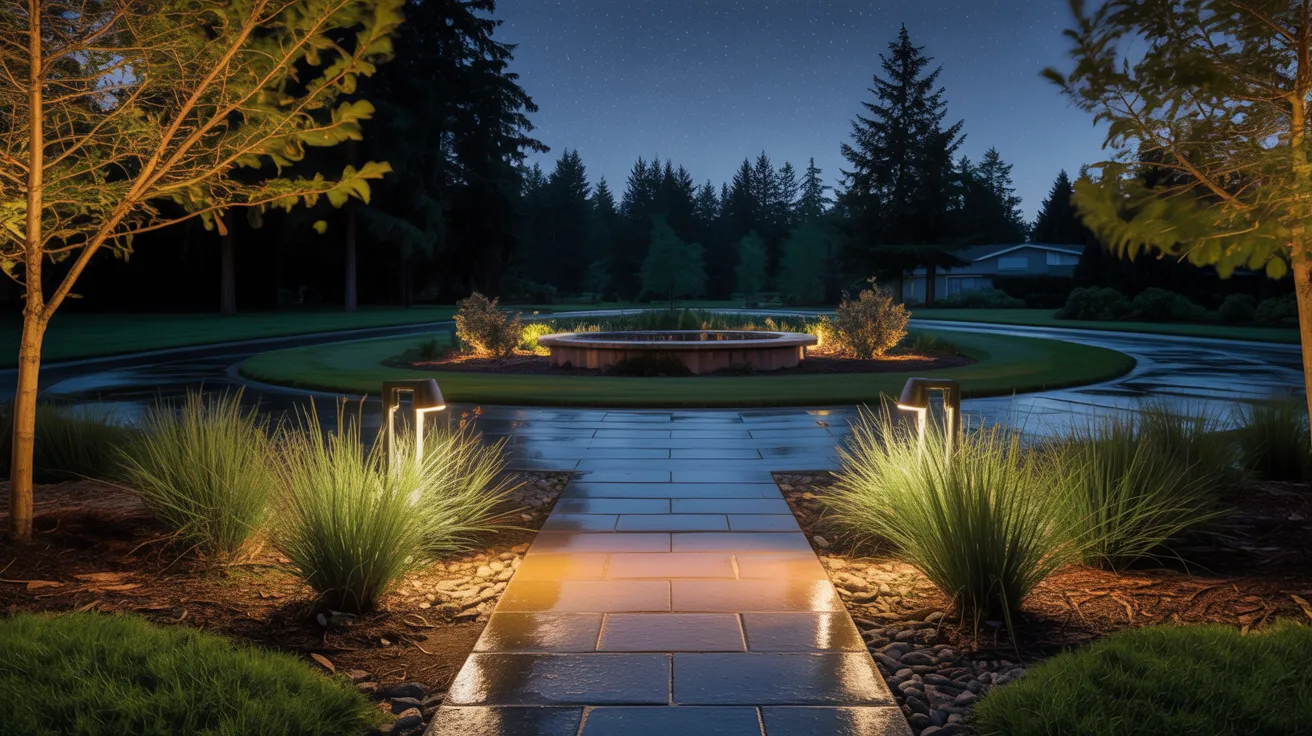
Main Highlights
- Confirm Washington State L&I contractor registration, UBI, bonding, insurance, and WSDA pesticide licenses; request certificates and confirm directly with carriers and L&I lookup.
- Find firms with local climate expertise, adapting solutions to oceanfront, oceanic, and precipitation-protected regions for hardy vegetation, water management, and drainage.
- Request comprehensive detailed proposals including workforce costs, supplies, tools, mobilization, waste removal, licenses, water runoff measures, and tree preservation guidelines.
- Check design documentation covering: irrigation zones, grading, and planting specifications, WaterSense scheduling requirements, backflow protection standards, rain garden specifications, and drainage designed to meet municipal stormwater standards.
- Require clear contracts with phased payments, retainage, documented change orders, 10-15% contingency, and thoroughly documented as-builts, warranties, and maintenance transfer.
Understanding Washington's Climate: Why Local Experience is Essential
Although Washington shares a name, its climate zones differ significantly - across coastal zones and rain-shadow territories - making local expertise essential for compliant and sustainable landscape design. You'll face distinct soil textures, freezing patterns, and moisture requirements across minimal spatial spans. Local professionals utilize microclimate mapping to align plant selections, watering schedules and water flow systems with location-based data, decreasing risk exposure and resource waste. They also interpret local regulations, waterfront buffers, tree preservation ordinances, and surface water regulations that vary by municipality and homeowner association.
You see advantages when a professional adjusts designs to topography and environmental factors, then creates compliance records for permits and inspections. In areas susceptible to wildfires, they select fire-resistant plantings per jurisdictional guidance. In oceanfront locations, they account for resistance to salt exposure and setback constraints, guaranteeing sustainable solutions and permit conformity.
Key Services: Design, Installation, and Maintenance
We begin by creating custom landscape designs that comply with Washington's environmental requirements, zoning regulations, permit requirements, and water conservation guidelines. Next comes an expert installation process that complies with industry specifications, electrical requirements, irrigation standards, and stormwater management protocols. We complete the process with comprehensive maintenance programs that document maintenance timing, vegetation health checks, trimming needs, irrigation system reviews, and chemical treatment protocols.
Custom Landscape Designs
Enhance outdoor areas with custom landscape designs that balance site conditions, aesthetic goals, and Washington's environmental regulations. You'll get a site-specific plan that documents soils, drainage paths, slopes, utilities, and access, then implements microclimate zoning to place plants and materials where they thrive best. We choose native and climate-adapted species, wildfire-wise spacing, and water budgets that comply with regional conservation codes.
Design documents include detailed layouts for grading, plantings, and irrigation with hydrozone mapping, control timing, and backflow safety measures. Material selections for hardscaping evaluate permeability, frost depth, and ADA route continuity. Exterior lighting complies with dark-sky protocols and required light shielding measures. We carefully plan year-round color schemes to maintain visual appeal throughout seasons without exceeding nutrient and water thresholds. Sustainable details such as bioswales, soil improvements, and mulching specifications facilitate stormwater management and enduring performance.
Professional Installation Steps
Beginning at preliminary staking and continuing to the final assessment, our expert installation process delivers your approved design according to specifications, within timeline, and with documented quality control. We initiate work with utility locates, erosion prevention measures, and safety protocols, then verify grades and benchmarks. You receive clear installation sequencing so crews synchronize ground work, drainage, base construction, and landscaping areas without conflicts.
We determine construction materials that satisfy performance requirements, environmental specifications, and vendor certifications. The selected aggregates, geotextiles, and pavers meet ASTM standards, while irrigation components satisfy WaterSense criteria as needed. Our experienced team carefully densifies subgrades to specified densities, installs edge restraints, and puts in drainage at specified gradients. Controllers are programmed based on water-budget calculations. We keep comprehensive as-builts, inspection logs, and punch lists, and we resolve any variances prior to system activation and handover.
Service Maintenance Options
Once installation is commissioned and documented, continuous maintenance keeps your landscape functioning at peak efficiency under Washington's weather patterns and codes. You'll get a detailed plan tailored to soil profiles, plant varieties, water flow patterns, and local regulations. We precisely tune irrigation, evaluate backflow assemblies, and confirm controller programming for seasonal ET. Our professional teams execute pruning, fertilization, and IPM using WSDA-compliant products, while maintaining detailed records of treatments and disposal procedures.
Pick service levels based on landscape needs-standard, premium, or elite-featuring specific deliverables, scheduling, and updates. Maintenance programs establish timing for mowing, edging, mulching, storm preparation inspections, and winter weather treatment where applicable. We assess water management, maintain natural filtration, and upkeep porous materials to protect drainage capacity. Equipment registers track service life and renewal timing. You'll receive detailed compliance records, site photos, and actionable insights with each visit.
Eco-Friendly Landscaping: Indigenous Plants, Water Conservation, and Soil Management
While visual appeal is important, sustainable landscaping in Washington focuses on environmental performance, meeting regulations, and long-term resilience. You'll need to choose native plant combinations that align with regional ecosystems, moisture conditions, and WSDA invasive species guidelines. Native plants and vegetation lower input demands, enhance pollinator gardens, and enhance ecological variety while meeting municipal vegetation standards.
Plan irrigation zones aligned with vegetation moisture demands, then integrate precision drip systems, consistent-flow nozzles, and intelligent irrigation controls with EPA WaterSense certification. Schedule irrigation according to seasonal evapotranspiration and local watering guidelines to avoid water waste and overflow.
Develop soil health by assessing essential soil characteristics; then enhance with organic supplements per WA Department of Ecology soil quality requirements. Preserve soil biology through ground cover, limited tillage, and time-released, low-phosphorus nutrients, adhering to buffer and stormwater requirements.
Water Management and Soil Stability for Rainy Periods and Hillsides
Begin by analyzing site drainage through key assessments like slope analysis, infiltration testing, and validation of discharge paths to meet Washington State and local stormwater regulations. Following this, you determine appropriate erosion control techniques-such as correctly sized swales, check dams, slope stabilization, and temporary BMPs including silt fences-determined by soil type, rainfall intensity, and grading plans. In the final phase, you implement sustainable water management using rain gardens, permeable surfaces, and cisterns to efficiently slow, store, and legally manage runoff.
Site Drainage Assessment
Before initiating any site work, it's essential to analyze water movement across the area to prevent soil erosion, flooding, and slope instability. Survey the existing topography, identify low points, and verify surface grades move runoff away from structures and septic systems. When it rains, observe flow paths, puddling, and seepage; record soil absorption with soil absorption tests. Assess soil types, compressed soil layers, and compacted subsoil that restrict percolation. Document pervious and impervious areas, roof drainage points, and driveway crowns. Check setbacks from property lines, wetlands, and critical areas per Washington State and local codes. Check utility locates before soil exploration. Assess seasonal high-water indicators, including hydric soils and water marks on buildings. Use survey data to configure water management features and prevent negative drainage impacts to neighboring properties.
Methods for Erosion Control
During intense precipitation and slopes quickly discharge water, establish layered erosion control systems that secure ground material and meet Washington State and local stormwater regulations. Start by intercepting sheet flow upslope with drainage channels and stabilized outlets. Place silt barriers on the contour, appropriately embedded and fixed, to trap sediment without changing flow patterns. Position coir logs along slope transitions and channel margins to dissipate flow force and support new vegetation. Use hydromulch or bonded fiber matrix on uncovered areas; supplement with coconut matting for higher grades. Create rock-lined check dams in temporary channels, spacing them to create step-pool dynamics. Service construction entrances to reduce soil transfer. Inspect after rain events, remove accumulated sediment, repair any compromises, and document controls according to permit requirements.
Sustainable Water Management
During Washington's precipitation cycles, and on graded landscapes, effective water management combines regulation-adherent drainage design with erosion control to safeguard buildings, soil stability, and water systems. You analyze runoff regions, soil permeability, and slope gradients, then size underground drains, drainage swales, and outlet protection measures according to local stormwater requirements. You reinforce slopes using specialized mulch blankets, vegetation establishment, and securely positioned rock check dams, avoiding channel formation read more and material transport.
You direct stormwater and surface drainage to vegetated bioswales and permeable pavements, maintaining flow spreaders to decrease velocity. Where feasible, you implement rainwater harvesting for non‑potable uses and balance irrigation demand with greywater systems, following plumbing and backflow requirements. You check discharge points, maintain buffer setbacks, and plan inspections to ensure performance during peak events.
Hardscaping That Stands the Test of Time: From Patios to Decks: Complete Hardscape Solutions
Though vegetation determines the palette, lasting hardscapes establish the structure that makes a landscape endure. You'll get paths and entertainment areas designed for Washington's freeze-thaw cycles with properly graded foundation, geotextile membrane, and porous pavers that manage runoff and reduce frost heaving. Select ornamental stone or resin-sealed surfaces where traction control and ADA-compliant smoothness are required. For retaining walls, we engineer based on soil conditions, include drainage blankets, perforated pipe, and geogrid reinforcement per manufacturer tables and local codes. Decks use corrosion-resistant fasteners, properly flashed ledgers, and guard/railing heights per IRC and WAC. Incorporate integrated lighting on moisture-resistant lighting circuits, and UL-listed fire features with safety zones and gas controls. Finish with expansion joints, sealed edges, and documented maintenance.
Garden Maintenance and Turf Options for Lasting Appeal
Throughout the year, it's possible to maintain a robust, code-compliant lawn or select low-maintenance turf options appropriate for Washington's climate zones and stormwater regulations. Start by evaluating soil, balancing pH, and choosing regionally appropriate seed blends. Calibrate irrigation based on evapotranspiration rates and WaterSense guidelines; emphasize deep, occasional watering. Use slow‑release, phosphorus‑free fertilizers in accordance with watershed ordinances, and practice mulch‑mowing to retain nutrients. Schedule aeration and overseeding to reduce soil compression and winter damage.
For reduced upkeep, look into drought tolerant grasses like fescue varieties or clover blend varieties that meet local fire and visibility codes. Where foot traffic is heavy, consider permeable backing synthetic turf with proper subgrade, edge support, and infill to ensure infiltration. Create 2-3 inch planted strips next to hardscapes to manage runoff.
How to Vet Contractors: Checking Qualifications, Insurance Coverage, Client Reviews, and Work History
Before signing a service agreement, make sure to verify that your landscaping contractor holds an active Washington State contractor registration (L&I), an active Unified Business Identifier (UBI), and-if applying pesticides-valid WSDA commercial applicator/operator licenses with the required categories. Be sure to verify general liability protection and workers' compensation coverage; ask for certificates made out to you as certificate holder and validate with the copyright. Validate standing and bond levels through L&I's contractor lookup.
Execute structured background verification: examine corporate officers, complaints, liens, and litigation history. Review safety programs and training procedures for machinery use and pesticide management. Conduct contract analysis focusing on work scope, material needs, detailed specifications, modification protocols, warranty terms, and cleanup obligations. Examine portfolios for project scale, plant selection, irrigation system integration, and code-compliant hardscapes. Focus on third-party feedback demonstrating punctuality, client interaction, and issue handling.
Financial Planning and Scheduling: Creating Clear Expectations
Upon verification of qualifications and insurance, you can determine an achievable budget and timeline aligned with scope, site conditions, and Washington-specific requirements. Specify deliverables, quantities, and material specifications to finalize pricing. Request detailed estimates encompassing labor costs, materials, equipment rental, mobilization expenses, disposal charges, and permitting fees. Confirm wage rate compliance, underground utility marking (811), stormwater control measures, and tree safeguarding rules that could influence pricing and practical timelines.
Project phases encompass site survey, utility identification, grading work, drainage systems, hardscape installation, irrigation setup, plantings, and stabilization. Include buffer margins of 10-15% for costs, along with timeline adjustments for weather conditions, site inspections, and material delays. Link payments to milestones and retainage, not elapsed time. Establish written change-order protocols with standardized pricing and approval levels. Set up regular communication schedules, timeline requirements, and inspection schedules to prevent rework. Maintain records of project completion, warranty information, and maintenance handover.
Common Inquiries
Do Landscapers Provide Snow and Ice Management in Winter Months
Indeed, many landscapers offer winter services, including snow removal and ice control. You can expect location surveys, service agreements, and response plans conforming to local ordinances. Teams deploy plows, blowers, and de-icing materials calibrated for specific surface types, with detailed documentation for liability protection. They concentrate on entrances, sidewalks, and parking areas, monitor freeze-thaw cycles, and calibrate treatments to prevent refreeze. Clients get post-event summaries, safety signage instructions, and suggestions for salt alternatives to satisfy environmental guidelines.
Can Our Teams Work Around Pets and Secured Gates?
Indeed, you can ask service teams to accommodate pets and maintain gate security during appointments. Detail your pet safety needs, note animals on-site, and supply access details. Workers maintain gate safety standards: confirm gates are shut, verify latches, and maintain entry/exit logs. You'll get appointment windows to secure pets in the house or in fenced areas. Provide gate codes or lockboxes, and put up pet notification signs. Confirm liability allocations in your contract terms and ensure staff are trained in pet protocols.
What's Our Policy for Plants That Die in Year One?
If plants die during the first year, you may file a claim through our replacement policy, according to warranty coverage. We verify the planting date, species appropriateness, and growing conditions, then inspect causes such as inadequate maintenance, pest problems, or extreme conditions. If warranty conditions are met, we will replace with comparable plants at no expense for materials and standard labor. Warranty doesn't cover neglect, irrigation system failures, or damage by others. You will receive a written assessment and an implementation schedule.
Are Evening and Weekend Appointments Available?
Indeed, we offer after-hours and weekend booking options. Data reveals 57% of homeowners choose non‑business hours, so we accommodate these needs while following safety and licensing requirements. You'll pick two-hour arrival windows; we'll send confirmation via text and email, and require site access and utility locates if needed. Overtime and lighting surcharges may apply. Rescheduling is available up to 24 hours in advance. Request priority slots during peak season to ensure timely service.
How Are Property Line Issues with Neighbors Resolved During Projects?
For property boundary conflicts, initially halting any work near disputed boundaries and confirm survey marker locations. Obtain title confirmation from property owners or their title company. Log present property conditions and photograph all boundary markers, while cross-referencing plans with official plats. Notify affected neighbors in writing and maintain all work within approved areas. If doubts persist, advise obtaining an official survey. Keep work crews away from disputed areas, adjust project scope as needed, and restart activities only after proper boundary validation.
Closing Remarks
Upon evaluating weather patterns, water management and building code specifications, you're going beyond choosing a outdoor specialist - you're commissioning an warranted outdoor environment. Paradoxically, the most "natural" yard requires permits, ASTM specifications and stormwater calculations. You'll need to check credentials, verify insurance and examine ground studies, all to make weekends simpler. Proceed regardless. Choose area professionals, insist on local species, sustainable irrigation and precise deadlines. Your costs remain managed, your terrain stays intact, and your yard ultimately works as efficiently as you do.